What is 3D Modelling?
Exploring the Benefits of 3D Modelling for Businesses and Professionals
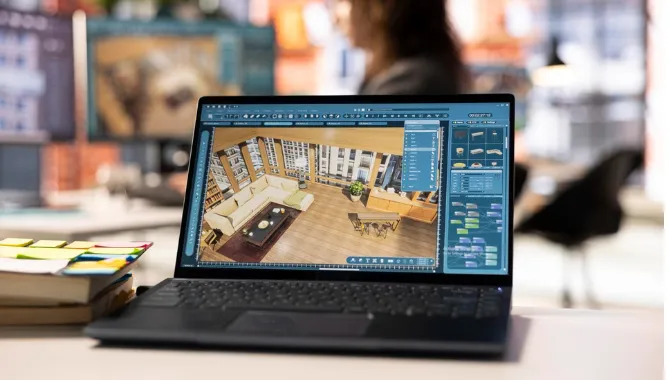
3D modelling is the process of creating digital three-dimensional representations of objects, products, buildings, or environments using advanced software. Unlike traditional 2D drawings, 3D models provide a realistic view of a project from multiple angles, allowing stakeholders to better understand design concepts before implementation. Professional 3D modelling enhances visualization accuracy and helps architects, designers, engineers, and clients make informed decisions throughout the project development process.
Enhanced Visualization and Better Decision-Making
One of the greatest advantages of 3D modelling is enhanced visualization. Businesses can present detailed and realistic models to clients, investors, and project teams, making it easier to communicate ideas and gather feedback. This helps reduce misunderstandings and improves decision-making throughout the project lifecycle. Professional 3D modelling further enhances project presentations by providing accurate visual representations that support effective planning and stakeholder collaboration.
Improved Design Accuracy and Cost Savings
3D modelling significantly improves design accuracy by enabling professionals to create precise digital representations with exact measurements and specifications. Early identification of design flaws minimizes costly mistakes, reduces material waste, and improves overall project quality. Professional 3D modelling supports efficient project development by enhancing accuracy, reducing revisions, and helping teams make informed design decisions before construction or production begins.
Faster Project Development and Team Collaboration
Businesses can achieve substantial cost savings through 3D modelling. By detecting issues before production or construction begins, organizations can avoid expensive revisions, optimize resource allocation, and reduce project delays. These efficiencies contribute to better financial outcomes and increased profitability. Professional 3D modelling helps organizations maximize project efficiency while minimizing risks associated with design errors and unexpected modifications.
Future Trends and Applications of 3D Modelling
The flexibility of digital models allows professionals to make design changes quickly and efficiently. Teams can collaborate in real time, test multiple concepts, and streamline workflows. This accelerates project development and enables businesses to bring products and services to market faster. Professional 3D modelling enhances collaboration and design flexibility, helping project teams adapt to changing requirements while maintaining accuracy and efficiency throughout the development process.
3D modelling has become a critical tool for businesses and professionals seeking to improve design accuracy, reduce costs, and accelerate project delivery. Its applications continue to expand across numerous industries.
As technology advances, 3D modelling continues to evolve through integration with Artificial Intelligence (AI), Virtual Reality (VR), Augmented Reality (AR), and Building Information Modeling (BIM). These innovations are creating new opportunities for businesses to improve customer experiences, increase efficiency, and drive innovation across industries. Professional 3D modelling leverages these advanced technologies to deliver more immersive visualizations, enhanced project accuracy, and innovative design solutions for modern businesses.
Recent Posts
- Professional Authority Approval Support for Dubai Projects 2026-09-03
- Building Management System Services in Dubai for Smarter Buildings 2026-09-01
- Professional Joinery and Carpentry Solutions in Dubai 2026-08-29
- Understanding 3D Modelling for Modern Dubai Projects 2026-08-22
- MEP & Interior Design in Dubai 2026-08-20
- Architectural & Structural Design Services in Dubai 2026-08-18