
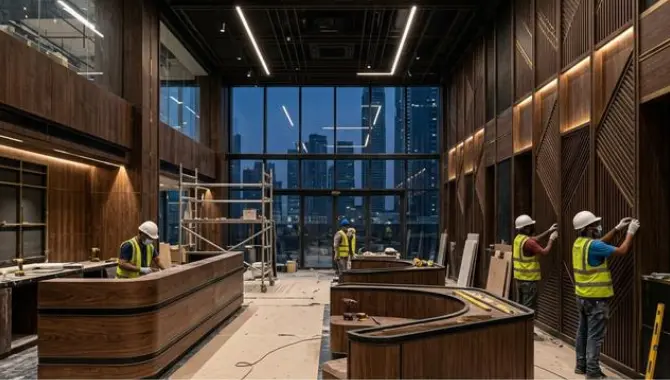
Understanding Fit-Out and Turnkey Projects
Fit Out & Turnkey Projects Dubai
Fit Out & Turnkey Projects Dubai require an integrated approach that connects design, planning, procurement, construction, and final handover. A clearly defined project scope helps establish realistic budgets, timelines, material requirements, and quality expectations from the beginning. Proper planning also allows potential technical and operational challenges to be identified before work begins, helping create a more controlled and efficient project process.
Key Stages of a Fit-Out Project
Effective Fit Out & Turnkey Projects Dubai depend on coordinated architectural, interior, structural, and MEP planning. Integrating these disciplines early can help identify technical conflicts before construction and reduce unnecessary revisions during execution. Detailed drawings, space planning, material specifications, lighting layouts, and service coordination can provide construction teams with clearer information and support consistent implementation of the approved design.
Procurement and Material Management
Successful fit out & turnkey projects Dubai also require systematic procurement, construction supervision, quality control, inspections, and handover. Coordinating these activities through an integrated project structure can improve communication and provide clearer accountability. Regular progress monitoring can help track schedules, material deliveries, workmanship, and project milestones while ensuring that completed works meet the agreed specifications.
Construction and Quality Control
Understanding Fit-Out and Turnkey Projects
A fit-out project transforms an existing shell or interior space into a functional environment suitable for occupation. Depending on the project requirements, the scope may include partitions, ceilings, flooring, lighting, electrical systems, plumbing, HVAC coordination, joinery, furniture, painting, and decorative finishes.
A turnkey model brings multiple project stages together under one delivery structure. Instead of managing several independent contractors and suppliers, the client can work with a primary project team responsible for coordinating major elements of the work.
This approach can simplify communication and make it easier to establish responsibilities throughout the project. It also allows design decisions, procurement requirements, and construction activities to be considered together rather than as separate processes.
Selecting the Right Turnkey Contractor
Procurement and Material Management
Material selection directly affects the appearance, durability, maintenance requirements, and overall cost of an interior space. Materials should therefore be evaluated according to their intended application, quality, availability, lead time, maintenance requirements, budget, and design objectives.
Early procurement planning is particularly important for materials with longer delivery periods. Coordinating material approvals with the construction schedule can help reduce potential delays and ensure that required products are available when installation activities begin.
A structured procurement process should also consider supplier reliability, product specifications, quantities, delivery schedules, and quality verification. These factors can contribute to better cost control and reduce the possibility of material-related disruptions during construction.
Professional, reliable, and integrated solutions for high-quality interior fit-out and turnkey projects in Dubai.
Construction, Quality Control and Handover
Construction requires coordination between multiple specialist activities, including civil works, ceilings, flooring, painting, electrical installations, plumbing, HVAC, lighting, joinery, and finishing works. Since many of these activities are interconnected, proper sequencing is essential for maintaining project efficiency.
Regular quality inspections can identify workmanship issues before they become difficult or expensive to correct. Site supervision can also help ensure that construction follows approved drawings, specifications, safety requirements, and agreed project standards.
Before handover, the completed space should undergo a detailed inspection. Any outstanding defects or finishing issues should be documented and addressed before final completion. Required project documentation, approvals, warranties, and other relevant records should also be organized as part of the handover process.
A systematic handover provides the client with a completed and operational space while creating a clear record of the work undertaken during the project.
Recent Posts
- Professional Authority Approval Support for Dubai Projects 2026-09-03
- Building Management System Services in Dubai for Smarter Buildings 2026-09-01
- Professional Joinery and Carpentry Solutions in Dubai 2026-08-29
- Understanding 3D Modelling for Modern Dubai Projects 2026-08-22
- MEP & Interior Design in Dubai 2026-08-20
- Architectural & Structural Design Services in Dubai 2026-08-18